


You ask your child to do three things. They nod, wander off, and do one. It is not defiance. Most children simply have not learned to listen with full attention yet.
Active listening for kids is a fundamental skill that goes far beyond simply hearing words. In today's distraction-filled world, children who master the art of truly listening gain significant advantages in their academic, social, and emotional development. When children learn to focus completely on the speaker, process information thoughtfully, and respond appropriately, they build stronger connections with family members, teachers, and peers. This comprehensive guide explores practical techniques parents and educators can use to nurture active listening abilities in children of all ages.
1. What Is Active Listening and Why Is It Important for Children?
Active listening goes far beyond simply hearing words—it's a comprehensive skill that involves fully concentrating, understanding, responding, and remembering what is being said. Unlike passive hearing, which happens automatically, active listening requires conscious effort and engagement from the listener.
When children develop active listening skills, they're acquiring a fundamental tool that shapes their development in profound ways. Dr. Catherine Snow of Harvard Graduate School of Education notes that listening comprehension is actually a foundational skill that precedes and supports reading comprehension—highlighting just how crucial this ability is.
The benefits extend across all areas of a child's development:
- Cognitive growth: Active listening helps children process information more effectively, improving their ability to learn and retain new concepts
- Social development: Children who listen actively build stronger relationships with peers and adults
- Emotional intelligence: Through listening, kids learn to recognize and respond to others' emotions appropriately
- Self-regulation: The practice of focused listening helps children develop patience and impulse control
Research from the American Academy of Pediatrics shows that strong communication skills, including listening, directly correlate with academic success. A study published in the Journal of Educational Psychology found that students with well-developed listening skills scored 20-30% higher on comprehension assessments compared to peers with underdeveloped listening abilities.
Looking toward the future, a LinkedIn survey of top employers identified active listening as one of the most in-demand soft skills in the modern workplace. The data clearly shows that by helping your child master active listening now, you're setting them up for success in school, relationships, and eventually, their career.
2. 7 Essential Active Listening Techniques for Children

2.1. Making Eye Contact and Body Language Awareness
Teaching children about the power of eye contact and body language creates a foundation for effective listening. For younger children (ages 7-9), encourage "looking at the speaker's eyes" rather than demanding sustained eye contact, which can feel uncomfortable.
Dr. Deborah Tannen, professor of linguistics at Georgetown University, explains that cultural differences also influence eye contact norms, so be mindful of your family's cultural context when teaching this skill.
Try these approaches:
- Demonstrate "listening posture": sitting or standing still, facing the speaker, and maintaining an open stance
- Play "Mirror Me," where children must watch closely and mirror your gestures and expressions, building observation skills
- Use puppet play to show the difference between "good listening bodies" and "distracted bodies"
For older children, introduce the concept of "tracking the speaker," which means following them with their eyes and body positioning as a sign of respect and attention.
2.2 Eliminating Distractions During Conversations
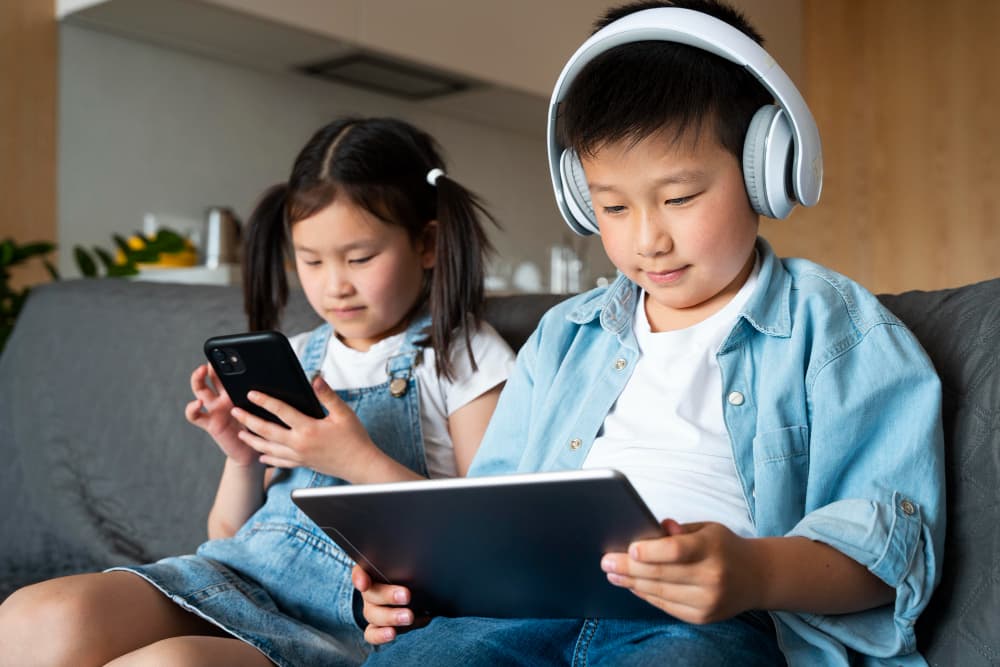
In our hyper-connected world, helping children recognize and manage distractions during conversations is increasingly important. According to research from Common Sense Media, kids are exposed to an average of 7.5 hours of screen time daily—creating significant barriers to focused listening.
To create distraction-free listening environments:
- Establish "device-free dialogue zones" in your home where electronics are put away during conversations
- Teach children to recognize their own attention drifters (fidgeting, looking around, thinking about other things)
- Practice the "Stop, Look, Listen" technique before important conversations
A simple activity that teaches focus is the "Listening Minute"—have your child close their eyes for 60 seconds and identify all the sounds they hear. This trains them to filter out distractions and focus on specific auditory input.
2.3 Reflective Listening and Paraphrasing Skills
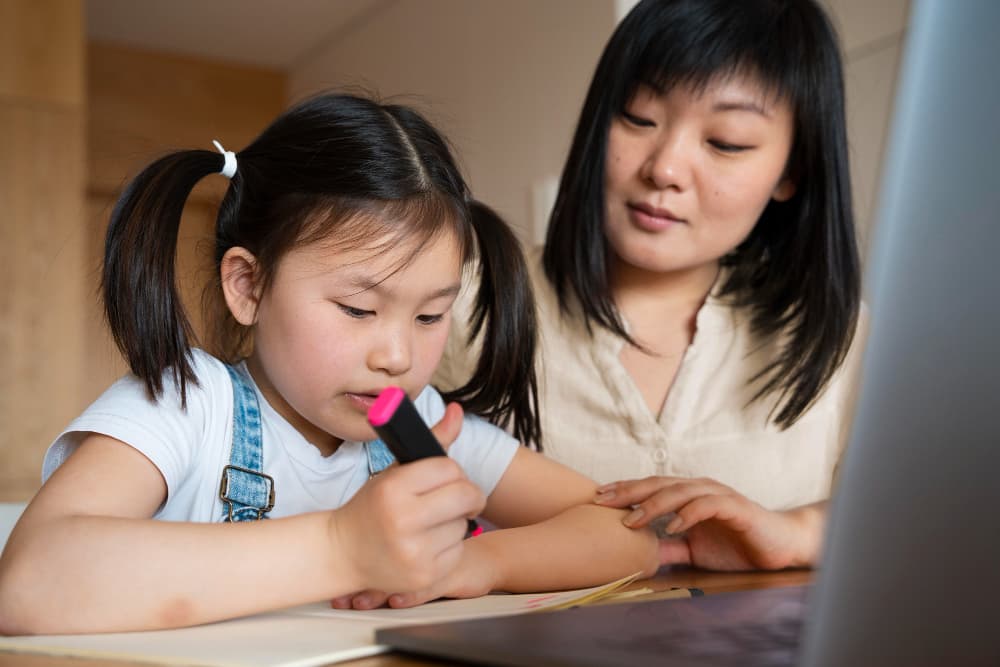
Reflective listening—the practice of repeating back what you've heard in your own words—is perhaps the most powerful technique for ensuring true comprehension. This skill helps children process information more deeply and confirms their understanding.
For younger children (ages 7-10), start with simple reflection exercises:
- "I hear you saying that..."
- "So what happened was..."
- "You felt ___ when..."
As your child develops, introduce more sophisticated paraphrasing techniques that capture both content and emotion. The Center for Parenting Education recommends having children practice summarizing stories or instructions in their own words.
A fun way to build this skill is playing "Telephone Paraphrase"—whisper a short story to one child, who then must paraphrase (not repeat verbatim) to the next person, and so on. This game highlights how active listening involves processing and reformulating information.
2.4 Asking Thoughtful Follow-up Questions

Questions are evidence of engaged listening and curiosity. When children learn to ask thoughtful follow-up questions, they demonstrate both comprehension and interest—two essential components of meaningful conversation.
Age-appropriate question frameworks to teach:
- For ages 7-9: Simple clarifying questions ("What happened next?" "How did that make you feel?")
- For ages 10-13: Perspective questions ("Why do you think they did that?" "What would you have done?")
- For teens: Complex reasoning questions ("How might this connect to what we discussed earlier?" "What are the implications of this?")
The "Question Ball" game builds this skill naturally—toss a ball with question starters written on it, and whoever catches it must ask a relevant question based on where their thumb lands.
Research from Harvard Business Review suggests that people who ask questions are perceived as more likable and intelligent—a social bonus that can motivate children to develop this aspect of active listening.
2.5 Developing Patience and Avoiding Interruptions
Interrupting is one of the most common barriers to effective listening, especially for energetic children eager to share their thoughts. Learning to wait one's turn in conversation isn't just polite—it's essential for thorough understanding.
According to child development experts at Zero to Three, interrupting behavior is developmentally normal, but children can begin learning patience in conversations around age three, with continued development throughout childhood.
Effective techniques to build patience include:
- Using a "talking stick" or other physical object that designates whose turn it is to speak
- Teaching the "pause rule"—waiting 2-3 seconds after someone finishes speaking before responding
- Practicing with role-playing scenarios where children must wait through increasingly longer speaking turns
One particularly effective method is the "Interrupt Tally"—keep track of interruptions during a family meal or activity, then discuss patterns and set goals for improvement.
2.6 Showing Empathy and Understanding Emotions

The emotional component of active listening often gets overlooked, but recognizing feelings is crucial for truly understanding others. When children detect emotional cues—tone of voice, facial expressions, word choice—they connect more deeply with the speaker's message.
Research from Yale's Center for Emotional Intelligence shows that children with higher emotional awareness perform better academically and socially. To build this awareness:
- Create an "emotion vocabulary" list with increasingly sophisticated feeling words
- Practice identifying emotions in stories, movies, or during daily interactions
- Use "emotion charades" where children guess feelings based on non-verbal cues
A practical approach is the "feelings detective" exercise, where children must listen not just for facts but for clues about how someone feels. This trains them to hear beyond words to the emotional subtext of communication.
2.7 Responding Appropriately and Thoughtfully

The final component of active listening is crafting an appropriate response—one that acknowledges what was heard and advances the conversation constructively. This differs significantly from simply reacting, which is often automatic and unprocessed.
To help children develop thoughtful responses:
- Teach the "THINK before you speak" framework: Is it True, Helpful, Inspiring, Necessary, Kind?
- Practice the "pause button" technique—taking a breath before responding
- Role-play various conversation scenarios with different appropriate responses
Dr. Daniel Siegel, clinical professor of psychiatry at UCLA School of Medicine, calls this skill "response flexibility" and identifies it as key to emotional intelligence and social success.
For older children and teens, introduce the concept of "dialogic listening"—responses that invite further exploration and demonstrate genuine curiosity about the speaker's perspective.
3. Age-Specific Activities to Practice Active Listening
Engaging Exercises for Ages 5-7
Young children learn best through play, so active listening exercises should be fun and relatively brief to match their developing attention spans.
Simon Says with Listening Twists: The classic game becomes a listening exercise when you add complexities like "Simon says touch your nose, then your ear, then jump twice."
Draw What I Describe: One person describes a simple picture while others try to draw it based solely on verbal instructions. This exercise, recommended by PBS Kids, builds both listening comprehension and visual processing.
Story Circle Add-Ons: Sit in a circle and start a story with one sentence. Each child adds one sentence, but must first accurately repeat the previous contribution before adding their own.
Sound Scavenger Hunt: Create a list of everyday sounds (door closing, water running, paper tearing) and have children identify them with eyes closed, building auditory discrimination skills.
Interactive Practice for Ages 8-12
Tweens are ready for more structured activities that build autonomy while reinforcing listening skills.
Junior Journalists: Children interview a family member or friend, taking notes and then accurately reporting what they learned. This exercise, supported by research from Scholastic, builds both listening and summarization abilities.
Instruction Relay Races: Teams line up and the first person receives instructions for a simple task. They must whisper the instructions to the next person, and so on, until the last person performs the task—revealing how well the message was transmitted.
Listening Logs: Older children can keep a journal noting conversations where they practiced active listening, what they learned, and how they felt about the interaction.
Reverse Charades: Instead of acting out words for others to guess, one person describes an action in detail while teammates perform it based solely on verbal instructions.
Advanced Techniques for Teens
Teenagers can engage with more sophisticated exercises that prepare them for adult communication contexts.
Debate with a Twist: After making an argument, debaters must accurately summarize their opponent's position before continuing—ensuring they truly listen rather than just planning their next point.
Digital Communication Analysis: Teens evaluate how active listening translates to text messages, social media, and email—identifying what gets lost and how to compensate for missing non-verbal cues.
Complex Perspective-Taking: Present a controversial topic and ask teens to listen to various viewpoints, then articulate positions that differ from their own with accuracy and respect.
According to research from Stanford University, these advanced listening exercises significantly improve teens' critical thinking skills and emotional intelligence.
4. Common Barriers to Active Listening in Children
Several factors can interfere with a child's ability to listen actively, and understanding these barriers is the first step toward addressing them.
Digital Distractions: The average child now spends more time with screens than in school, according to the American Academy of Pediatrics. This constant digital engagement trains the brain for distraction rather than sustained attention. Consider implementing a "tech reset" period before important conversations.
Developmental Considerations: Children have naturally shorter attention spans than adults. Research from the National Center for Biotechnology Information suggests attention span (in minutes) roughly correlates with age (in years) up to early adolescence. Set realistic expectations based on your child's developmental stage.
Environmental Factors: Background noise, visual clutter, and physical discomfort all compete for attention. Studies show that even moderate background noise can reduce comprehension by up to 40% in young listeners. Create designated listening spaces in your home that minimize these distractions.
Emotional Barriers: Children experiencing anxiety, stress, or strong emotions have limited cognitive resources available for listening. Dr. Bruce Perry of the Child Trauma Academy explains that emotional arousal directly impacts the brain's ability to process incoming information.
Hunger and Fatigue: Basic physiological needs significantly impact cognitive function. Children who are hungry, tired, or physically uncomfortable show marked decreases in listening comprehension—sometimes mistaken for attention issues.
Learning Differences: Some children have inherent challenges with auditory processing or attention that require specialized support. According to the American Speech-Language-Hearing Association, about 5% of school-aged children have some form of auditory processing difficulty.
By identifying specific barriers affecting your child, you can develop targeted strategies to support their listening development.
5. How Parents Can Model Active Listening at Home
Children learn primarily through observation, making parental modeling the most powerful teaching tool for active listening skills.
Demonstrate Full Attention: When your child speaks to you, stop what you're doing, put down your phone, face them, and make eye contact. According to research from UCLA's Center for the Everyday Lives of Families, parents are interrupted or distracted during 65% of conversations with their children—sending a powerful message about listening priorities.
Practice Reflective Responses: Show children how to acknowledge and validate feelings by using phrases like:
- "It sounds like you're feeling..."
- "I hear that you're upset because..."
- "So you're saying that..."
Create Listening Rituals: Establish regular family times dedicated to sharing and listening, such as:
- Device-free family meals
- Evening "high/low" sharing circles
- Weekend "special time" with each child
Dr. Laura Markham of Aha! Parenting recommends at least 15 minutes of focused, child-led time daily to build communication and listening habits.
Narrate Your Own Listening Process: Help children understand the internal aspects of listening by occasionally verbalizing your thought process:
- "I'm trying to understand what you're saying about..."
- "I notice you seem frustrated, so I'm listening extra carefully"
- "I'm setting aside my opinion for now to really hear your perspective"
Acknowledge Imperfection: When you catch yourself not listening well, name it and reset:
- "I'm sorry, my mind wandered. Can you tell me that again?"
- "I realize I interrupted you. Please continue."
This models both the importance of listening and how to recover when attention slips.
Research from the Center on the Developing Child at Harvard University describes this back-and-forth communication as "serve and return" interactions—critical building blocks for brain development and relationship formation.
6. When to Seek Additional Support for Listening Challenges
While all children develop listening skills at their own pace, certain persistent difficulties may signal the need for professional support.
Signs That May Warrant Professional Attention:
- Consistent difficulty following multi-step directions, even when given slowly
- Frequently asking "what?" or requesting repetition, despite normal hearing tests
- Pronounced differences between verbal comprehension and reading comprehension
- Difficulty distinguishing between similar sounds
- Unusual sensitivity to background noise or difficulty filtering out sounds
- Consistent misunderstanding of tone or emotional content in speech
- Significant struggles with listening that don't improve with practice
If you notice these signs persisting for more than six months, consider consulting with:
- Your child's pediatrician (as a first step)
- A speech-language pathologist who can assess auditory processing
- An educational psychologist for comprehensive learning evaluations
- An audiologist for detailed hearing assessments
According to the American Academy of Audiology, early intervention for listening challenges can significantly improve outcomes and prevent secondary issues like reduced self-confidence or academic difficulties.
Differential Diagnosis Is Important: What appears as poor listening could be related to:
- Auditory Processing Disorder (APD)
- Attention Deficit Hyperactivity Disorder (ADHD)
- Language processing difficulties
- Anxiety disorders
- Hearing impairments (including mild or fluctuating loss)
Dr. Teri James Bellis, author of [When the Brain Can't Hear]
Frequently Asked Questions
At what age should a child develop active listening skills?
Active listening develops gradually from around age 3, but it can be taught and strengthened at any age. For most primary-school children, ages 7 to 12 is a productive window: they have enough language and self-awareness to practise listening deliberately, and the habits they build now carry into secondary school and beyond.
My child can hear perfectly but doesn't seem to listen. Is that normal?
Yes, this is very common and usually not a hearing problem. Hearing is automatic; active listening is a skill that takes focus and practice. Most children who "don't listen" simply haven't learned to filter distractions, hold attention, and process what they hear. With consistent practice, it improves.
What are simple ways to build my child's listening skills at home?
Start small and make it playful. Read together and ask your child to retell the story in their own words. Play games that reward careful listening, like Simon Says or describing a picture for them to draw. Create device-free moments at meals. Even five to ten minutes a day of focused, unhurried conversation builds the habit.
How is active listening different from just paying attention?
Paying attention is noticing; active listening is engaging. An active listener makes eye contact, thinks about what is being said, asks a relevant question, and responds to show they understood. It is the difference between a child who hears an instruction and one who can act on it and reply thoughtfully.
When should I be concerned about my child's listening?
Occasional tuning out is normal. Consider seeking advice from your child's teacher, a paediatrician, or a speech-language professional if your child consistently struggles to follow simple instructions, frequently asks for repetition despite normal hearing, or shows a big gap between what they understand when listening versus reading. Early support makes a real difference.
Does active listening help with school and oral exams?
Yes. Listening carefully is the foundation of clear speaking. Children who listen well follow instructions, answer the actual question asked, and respond naturally in conversation, exactly what the PSLE Oral and everyday classroom discussion reward. It is one of the core skills we build in SuperMinds classes.
Conclusion
Developing active listening skills in children is an investment that yields lifelong benefits in their communication abilities, relationship quality, and emotional intelligence. By consistently practicing these techniques and creating opportunities for meaningful conversation, parents and educators can help children become exceptional listeners. Remember that active listening, like any skill, improves with regular practice and positive reinforcement. Start implementing these strategies today to help the children in your life become more confident, connected, and compassionate communicators.