


Your child is curious, creative, and keen to express themselves. Or maybe they're shy, and you're looking for something to build their confidence. Speech and drama keeps coming up: friends recommend it, enrichment centres offer it, and you've seen it listed on school CCAs.
But what exactly happens in a speech and drama class? What skills does it build? And is it the right activity for your child?
This guide answers all three questions honestly, so you can make the right call.
2. What Skills Does Speech and Drama Build in Children?
3. What Happens in a Speech and Drama Class in Singapore?
4. Is Speech and Drama Right for Your Child?
5. Speech and Drama vs Public Speaking: What's the Difference?
6. About SuperMinds: Public Speaking for Children and Teens in Singapore
7. Frequently Asked Questions About Speech and Drama in Singapore
1. What Is Speech and Drama?
Speech and drama is a structured enrichment activity that uses drama techniques: role play, storytelling, improvisation, and performance to help children develop confidence, creative expression, and communication skills. In Singapore, programmes typically run from age 4 through primary school, with end-of-term showcases as a core feature.
A typical class combines voice exercises, character work, group scenes, and improvisation games. The emphasis is on creative expression through play. Children explore different characters and emotions, not to deliver a polished speech, but to perform, imagine, and tell stories.
English speech and drama programmes in Singapore range from enrichment centre classes to extracurricular CCA drama clubs in schools. Well-known providers include Lorna Whiston, NAFA Junior, and SRT. Most follow the school term calendar (Term 1 to 4), with June holiday and December holiday intensive programmes available at some centres. If you are comparing speech and drama with other options, our guide to enrichment classes for primary school children in Singapore breaks down the main categories and what each one builds.
2. What Skills Does Speech and Drama Build in Children?
When it's well-taught, speech and drama develops genuinely useful skills, particularly for younger children.
Confidence through performance. Regular exposure to performing in front of peers, and parents at end-of-term showcases, helps children become more comfortable in the spotlight. For many, this is their first experience of being watched and applauded.
Creative expression and imagination. Character work and storytelling stretch children's thinking. They learn to step into someone else's perspective and express ideas in unexpected ways. For children who love imaginative play, drama channels that energy into structured learning.
Emotional vocabulary and empathy. Drama exercises ask children to inhabit characters who feel afraid, excited, or proud. This builds emotional literacy: the ability to name what they're feeling and express it clearly.
Voice and articulation. Most speech and drama programmes include exercises for voice projection, clarity of speech, and pacing. Children learn to slow down, speak clearly, and use their voice with intention.
Teamwork and collaboration. Group scenes and ensemble pieces teach children to listen, respond, and contribute to a shared outcome. These are social skills as much as performance skills.
3. What Happens in a Speech and Drama Class in Singapore?
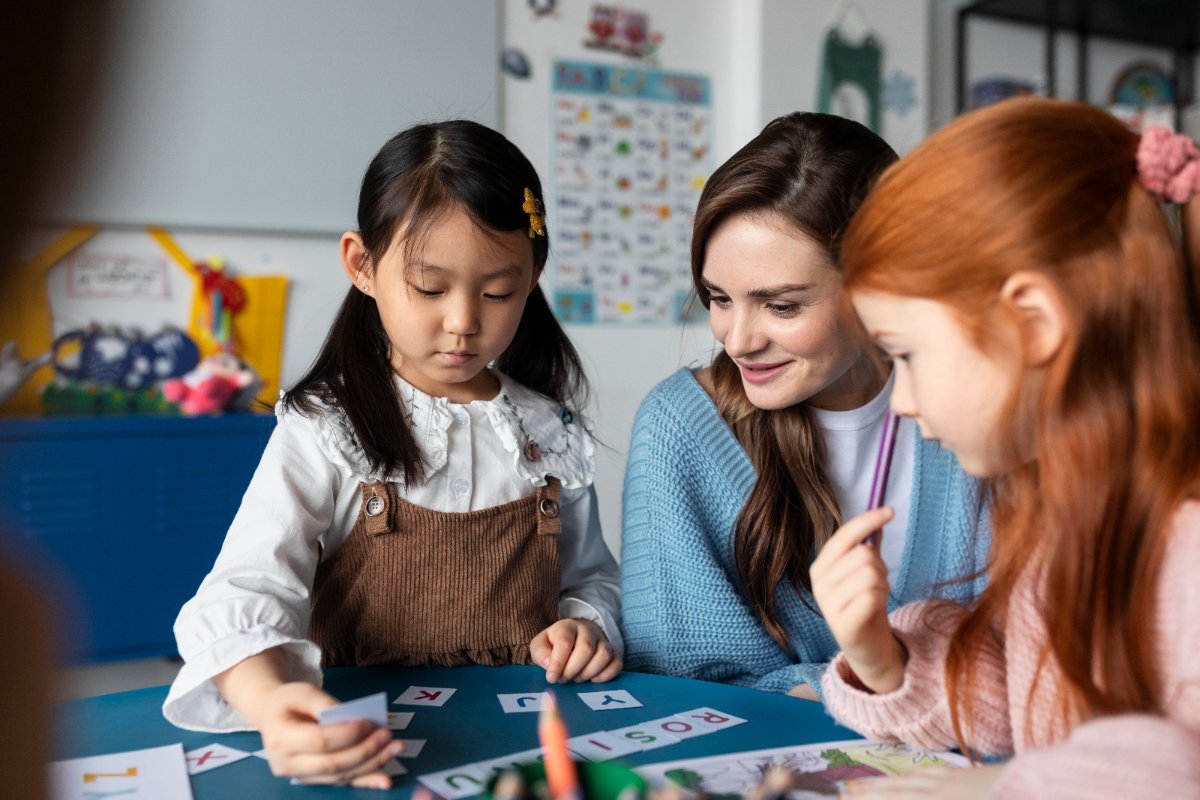
A typical speech and drama class for primary school children runs 60 to 90 minutes. Sessions are structured but playful.
Classes usually open with warm-up games: movement and voice exercises that help children relax and focus. These might include tongue twisters, mirror exercises, or simple improvisation prompts. The energy is deliberately light and fun at this stage.
The main lesson then takes over. This could mean exploring a fairy tale through character play, practising a scene from an original script, or working through an improvisation challenge together. Teachers are trained drama educators who guide children through the material with energy and creative direction.
Classes are small (typically 8 to 12 students), so every child gets individual attention and a chance to perform.
Towards the end of each term, most Singapore programmes culminate in an informal sharing or a formal showcase where parents are invited to watch. For many children, this is the highlight: weeks of class work coming together in front of a real audience.
4. Is Speech and Drama Right for Your Child?
Speech and drama works well for some children and is less suited for others. Here's a practical way to think about it.
It tends to work well for:
Children aged 4 to 9 who are drawn to play, performance, and imaginative games. At this age, drama is an excellent vehicle for language development, social confidence, and creative expression. The playful format keeps younger children engaged.
Shy children who respond well to structured creative play. The low-stakes environment of a drama class often helps timid children open up at their own pace, without the immediate pressure of speaking directly to a real audience.
Children who love storytelling, characters, and imaginative worlds, and whose parents want to nurture that creative instinct in a structured setting.
It may be less suited for:
Children in P3 and above who need specific real-world communication skills. PSLE Oral, school presentations, CCA leadership roles, and, further down the line, DSA interviews all require the ability to think on their feet, structure an argument clearly, and engage a live listener. These are different from performance skills practised through scripted role play.
Children who are anxious about everyday communication: speaking up in class, asking questions, navigating peer conversations, rather than performance situations specifically. Drama builds comfort with performing. It doesn't always transfer to unscripted everyday speaking.
If your child is in P3 or above and you're thinking about PSLE Oral or school presentations, it's worth asking: does speech and drama actually practise the kind of speaking my child needs to do every day?

5. Speech and Drama vs Public Speaking: What's the Difference?
The terms are often used interchangeably in Singapore enrichment marketing. They're not the same thing.
Speech and drama uses performance as the vehicle for building confidence and expression. Children work with scripts, characters, and crafted scenarios. The skills it builds (memorised delivery, character embodiment, physical performance) are real and valuable. But they're most relevant when children are performing.
Public speaking, specifically impromptu public speaking, trains children to speak clearly, confidently, and persuasively in unrehearsed, real-world situations. No script, no character, no rehearsed lines. Just the child, their thoughts, and an audience listening in real time. This is the skill that transfers to PSLE Oral Stimulus-Based Conversation, school presentations, and eventually interviews and professional life.
For a detailed comparison of both approaches, including how they perform across specific goals like PSLE Oral and DSA preparation. Read our article Public Speaking vs Speech & Drama for Kids: Which Prepares Children Better?
6. About SuperMinds: Public Speaking for Children and Teens in Singapore
SuperMinds is Singapore's communication specialist for children and teens aged 9 to 17, best known for public speaking. We are not a speech and drama class. There's no performance, no scripted role play, no end-of-term showcase. SuperMinds teaches real-world communication, not performance.
The method was pioneered by Iwan Yang, Founder & Programme Director, who designed the SuperMinds approach specifically for Singapore children, to help them find their voice and speak clearly and confidently in the situations that actually matter: PSLE Oral, school presentations, group discussions, and DSA interviews.
Classes are small (maximum 8 students) and run by Iwan Yang and trained SuperMinds coaches working under his method.
SuperMinds offers two programmes: a Children's programme for ages 9 to 12 (P3 to P6), and a Teens programme for ages 13 to 17 (Sec 1 to 4).
The trial class is S$59.50. It includes a video recording of your child speaking and a written coach evaluation, so you can see exactly where they are and what to work on.
SuperMinds is located at 250 Tanjong Pagar Road, St Andrew's Centre, #04-01, Singapore 088541, a short walk from Tanjong Pagar MRT.
7. Frequently Asked Questions About Speech and Drama in Singapore
What age should children start speech and drama in Singapore?
Most speech and drama programmes in Singapore accept children from age 4. The early years (4 to 8) are generally considered ideal for drama-based learning, when play is a natural mode of development. Older children can still benefit, though by P3 to P4 and above, parents often look at more targeted programmes, particularly if PSLE Oral or real-world communication skills are the primary goal.
What is the difference between speech and drama and public speaking classes?
Speech and drama focuses on performance skills: character work, scripted scenes, storytelling, and emotional expression through drama. Public speaking focuses on real-world communication: speaking clearly and confidently in unscripted, unrehearsed situations like school presentations, discussions, and interviews. Both build confidence, but through different methods and for different purposes.
Does speech and drama help with PSLE Oral preparation?
Partially. Speech and drama builds voice confidence, articulation, and comfort with speaking in front of others, all relevant to PSLE Oral. However, the MOE English Language syllabus for PSLE Oral requires children to respond spontaneously to unseen stimulus materials and engage in live conversation with an examiner. Scripted drama practice doesn't directly replicate this. For PSLE Oral specifically, impromptu public speaking training is more targeted.
How long does it take to see results from speech and drama classes?
Most parents notice a visible shift within one term (10 to 12 weeks), children become more comfortable performing in class and more willing to speak up. Deeper results, like improved communication in everyday situations or strong performance at school events, typically take two to three terms of consistent attendance.
Can shy or introverted children benefit from speech and drama?
Yes, speech and drama classes are often recommended specifically for shy children because the creative play format reduces the pressure of direct speaking. Children aren't asked to "give a speech"; they're asked to play a character, which feels lower-stakes for many. Shy children often thrive in drama environments, though how well results transfer to everyday communication situations varies by child.
Is speech and drama or public speaking better for DSA preparation?
Public speaking is the more direct choice for DSA preparation. DSA interviews, whether for leadership, sports, performing arts, or other talent areas, typically involve conversation, Q&A, and the clear articulation of ideas under pressure. Speech and drama builds stage presence and emotional expression, but it doesn't directly practise the structured, conversational confidence DSA interviewers look for. Children going through the DSA process benefit most from targeted coaching focused on real interview scenarios. Learn more about DSA interview preparation in Singapore.