
Your child has plenty of ideas but hangs back when it is time to lead. Or they take charge so forcefully that friends pull away. Leadership, it turns out, is a skill, and like any skill, it can be taught.
This guide explains what a good kids leadership programme in Singapore actually develops, how to choose one, and the simple things you can do at home. Leadership is no longer a "nice to have." It is one of the skills that will matter most in your child's future.
1. What Leadership Really Means for a Child
Many parents picture a leader as the loudest child in the room, the one giving orders. Real leadership is almost the opposite. For a child, leadership means managing themselves and bringing out the best in the people around them.
It shows up in small, everyday moments. A child who organises a group so everyone has a role. A child who stays calm when a game goes wrong. A child who speaks up for a friend, or admits a mistake instead of blaming others. None of this requires a title.
The "born leader" is a myth. Some children are naturally outgoing, but the skills that make a real leader, such as communication, listening, decision-making, and resilience, are learned through practice, like reading or swimming. That is good news for parents. It means a quiet child can grow into a confident leader, and an overpowering child can learn to lead with others rather than over them.
This is why a strong kids leadership programme in Singapore does not try to change your child's personality. It gives every child, introvert or extrovert, the tools to lead in their own way.
2. Why Leadership Skills Matter for Kids in Singapore
In Singapore, strong grades have always mattered. But grades alone no longer set a child apart. As routine tasks are taken over by technology, the skills that stay valuable are the human ones, and leadership sits near the top of the list.
The World Economic Forum's Future of Jobs Report 2025 ranks leadership and social influence among the core skills rising fastest in importance for the years ahead. The children in primary school today will enter exactly that workforce.
It matters much sooner than the job market, though. Singapore's schools already build leadership in from a young age. Through Character and Citizenship Education, students from Primary 1 to Primary 6 are given real leadership roles such as class monitors, CCA leaders, and peer mentors. By the upper-primary and DSA years, the ability to lead and reflect on it becomes part of how children are assessed.
A child who is comfortable taking the lead does better in group projects, speaks up in class, and walks into interviews with composure. Just as importantly, leadership builds confidence and resilience that carry into every part of life. These skills also grow from active listening and the ability to make a case and bring others around.
3. What a Good Kids Leadership Programme Teaches
The word "leadership" can sound abstract. A good programme makes it concrete by breaking it into skills children can actually practise. Look for these five.
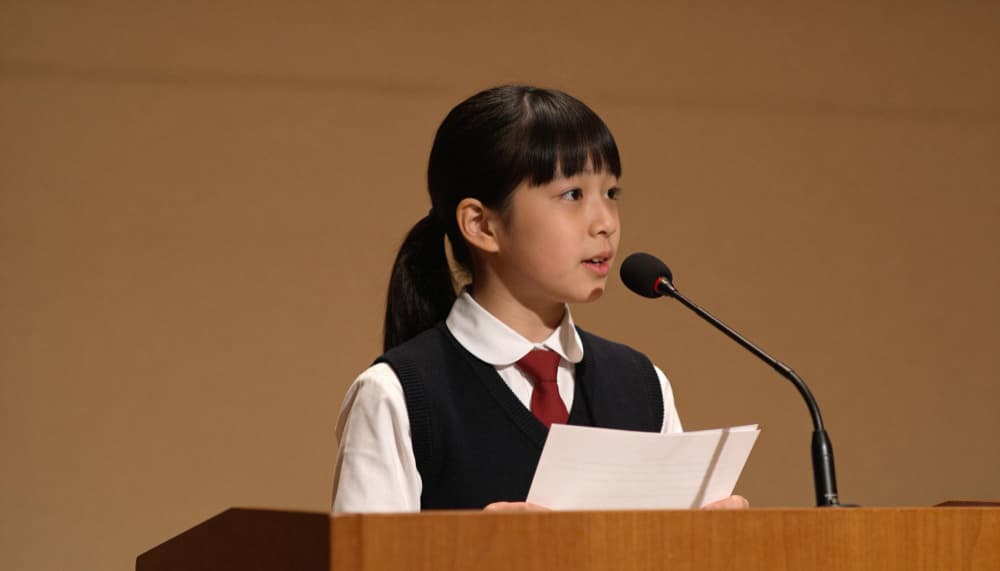
Confident communication. The ability to express an idea clearly and handle the nerves of speaking up. It is the foundation of every other leadership skill.
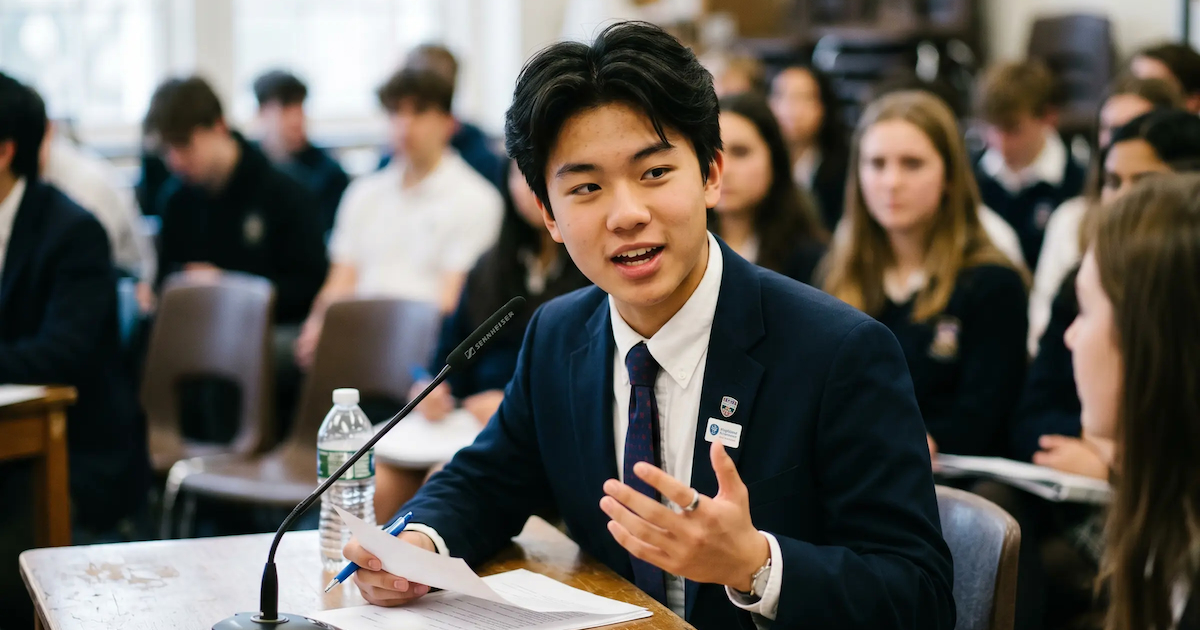
- Teamwork and collaboration. Knowing how to listen, share roles, and disagree respectfully. In a group project, the young leader is often the one who quietly makes sure everyone has a part to play. That is the skill in action.
- Decision-making and problem-solving. Weighing options and choosing a way forward. This draws on executive-function skills that, as the Harvard Center on the Developing Child explains, are not inborn but built through practice and support.
- Initiative. Stepping forward and acting without waiting to be told.
- Resilience. Staying steady when things go wrong, and trying again.
Notice that these are skills, not personality traits. A quality programme teaches them through doing, with role-play, group challenges, debates, and real presentations rather than lectures. When you give a child a genuine task, like organising a team to solve a problem, they practise communication, collaboration, and decision-making all at once. That is when leadership stops being a word and becomes a habit.
4. How to Choose the Right Leadership Programme in Singapore
Not every programme labelled "leadership" delivers it. With many leadership classes for kids in Singapore to choose from, these are the questions worth asking before you enrol.
Is it hands-on, or just lectures? Children build leadership by doing. Look for role-play, group projects, and real speaking practice rather than worksheets and slides.
How small are the classes? In a large group, quieter children disappear. Small classes mean every child gets to lead, and gets individual feedback. Ask for the maximum class size.
Who is teaching? A trainer experienced with children is very different from a corporate facilitator. The coach sets the tone for whether your child feels safe to step up and make mistakes.
Will you see progress? Good programmes give feedback you can actually see, such as a recording, a coach's written notes, or a final presentation, so growth is visible, not just promised.
Does it fit your child's age and stage? A programme for 9-to-12-year-olds should look different from one for teens. The content, examples, and pace all need to match where your child is now.
Run any programme through these five questions and the right fit becomes much clearer.
5. How to Nurture Leadership at Home
A programme accelerates the learning, but leadership grows fastest when it is practised daily. You do not need special tools, just small, regular chances for your child to lead.
Give them real responsibility. Let your child plan a family outing, lead a board-game night, or take charge of one chore from start to finish. Small ownership builds the confidence to take on bigger things.
Let them solve their own problems. When your child hits a snag, resist jumping in. Ask "What do you think we should do?" and let them work it through. Decision-making is a muscle.
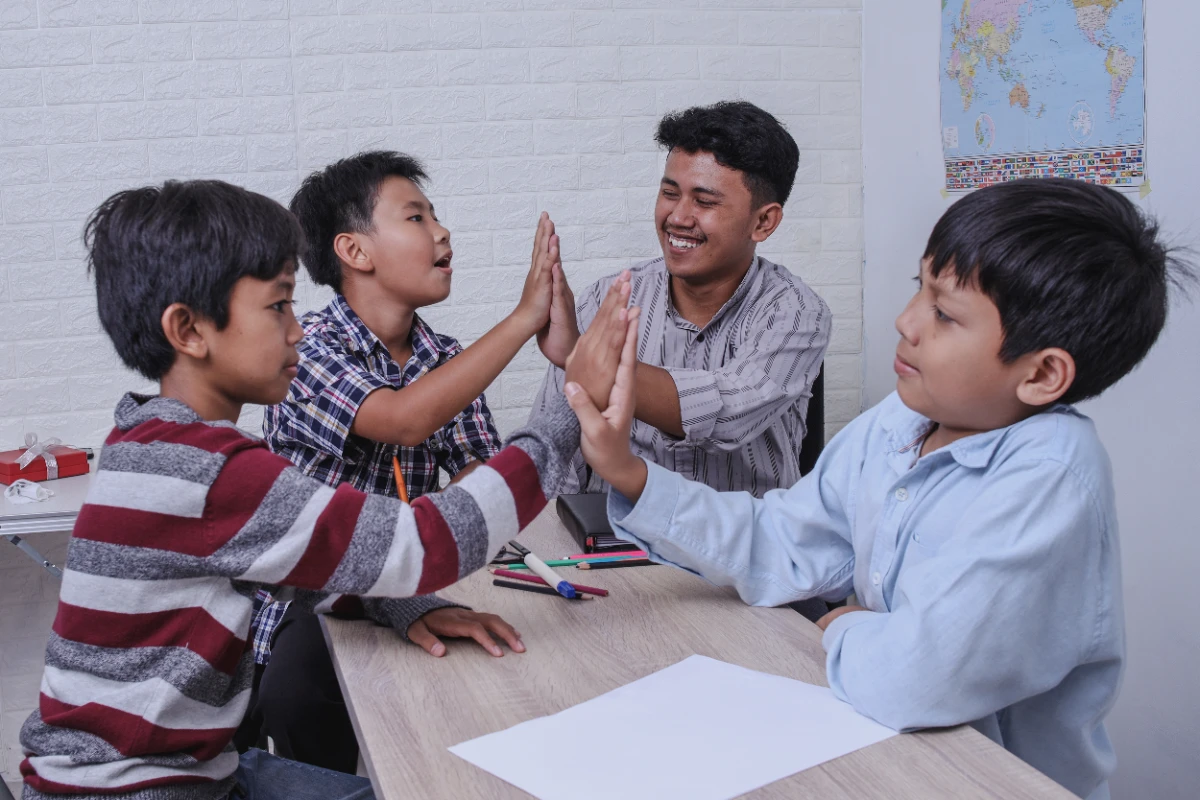
Praise the effort, not just the outcome. When your child encourages a sibling or keeps going after a setback, name it. The high-five after a teammate's good idea is leadership too, and noticing it makes your child do more of it.
Model it yourself. Children copy what they see. Let them watch you listen, own a mistake, and stay calm under pressure.
None of this is grand. But a child who is trusted to lead in small ways at home walks into every classroom and team ready to do the same.
6. About SuperMinds
SuperMinds is Singapore's communication specialist for children and teens aged 9 to 17. Best known for public speaking, we help young people find their voice: the confidence to speak up, lead, and succeed in school and in life.
We are not a standalone leadership programme. At SuperMinds, leadership is an outcome of learning to communicate well: as children learn to speak clearly, listen, and work with others, they naturally become the kind of person others want to follow. The method began when adults trained by our founder, Iwan Yang, asked him to teach their children the same skills, so it was proven on adults first, then shaped for young learners. Iwan, Founder & Programme Director and Singapore's most reviewed communication trainer, has coached 3,000+ students and earned 500+ five-star reviews.
In groups of no more than 8, children practise speaking up, working in teams, and taking the lead, with a video recording and a written coach evaluation after a trial so progress is visible.
We run classes for children (ages 9 to 12) and classes for teens (ages 13 to 17) at 250 Tanjong Pagar Road, St Andrew's Centre, #04-01, Singapore 088541, near Tanjong Pagar MRT. A trial class is S$59.50 and includes a video recording of your child speaking and a written coach evaluation. Reach us on WhatsApp at +65 6602 8262.
7. Frequently Asked Questions
What age should my child start a leadership programme?
Most children are ready from around age 9, when they can work in groups and reflect on their own behaviour. SuperMinds runs programmes for ages 9 to 12 and 13 to 17, each pitched to that stage.
My child is shy. Is a leadership programme still suitable?
Yes, often perfectly. Leadership is not about being the loudest. A good programme gives quieter children a safe space to find their own style of leading, built on listening and quiet confidence rather than volume.
What is the difference between a leadership programme and a public speaking class?
A public speaking class teaches a child how to deliver a message. Leadership builds on that: what to say, how to work with others, and how to stay steady under pressure. At SuperMinds, leadership is developed through public speaking and communication rather than taught as a separate subject.
Can leadership really be taught, or are children just born leaders?
Leadership is a set of skills, including communication, decision-making, and resilience, that any child can learn with practice and guidance. Natural temperament helps, but it is not the deciding factor.
How much does a kids leadership programme in Singapore cost?
Costs vary by format and length, from short workshops to ongoing programmes. A SuperMinds trial class is S$59.50 and includes a recording and a written coach evaluation, so you can judge the value before committing.
How will I know if it is working?
Look for everyday changes, such as volunteering for group roles, speaking up more, and recovering from setbacks. Programmes that provide recordings or coach feedback make this progress easy to track.
Ready to help your child step up with confidence? Book a trial class for S$59.50 and see the difference for yourself.