


You want your child to succeed. So you look for the right school, the right tutor, the right coach, the right CCA. That is the team around your child, and it matters.
But a village does not raise a child on its own. The same coach can change one child's life and barely reach another. The difference is usually not talent. It is whether the child gives the people around them a reason to keep investing.
To help your child succeed, you need two things working together: people who believe in your child, and a child those people want to keep backing. Parents are the first of them. Parents also shape the second, through the character, habits and communication they grow at home.
This guide uses a real example from this month, Kimi Antonelli's Formula 1 title, to show the four layers behind a successful child, and what your part is in each one. It is a companion to our piece on relationship skills for kids, but you can read it on its own.
1. What It Really Takes to Help Your Child Succeed
2. Layer 1: A Home That Builds Character First
3. Layer 2: Mentors Who Choose to Invest
4. Layer 3: People Willing to Take a Chance
5. The Parent's Real Job: Stay in Their Corner, Hand Over the Work
6. Layer 4: What Only Your Child Can Do
1. What It Really Takes to Help Your Child Succeed
Most stories of success focus on one person. Real success rarely works that way.
When Antonelli became Formula 1's youngest world champion this month, Mercedes boss Toto Wolff wrote to his whole team about it. According to the full email published by PlanetF1, Wolff first met Antonelli when the boy was 11. He then listed the people who shaped him: his parents, his karting mentors, his trainer, his engineers, and a team willing to bet on a teenager.
Read closely, the email describes four layers behind any successful child: a home that builds character, mentors who choose to invest, people willing to take a chance, and the child's own drive. The first three are the people around the child. The fourth is the part only the child can supply. Parents shape all four.
2. Layer 1: A Home That Builds Character First
Wolff credited Antonelli's parents first. His father taught him the craft. His mother was at every karting race. But Wolff's main point was about character. He said the boy's humility, integrity and loyalty came from home, and that the team only built on that foundation.
Research backs this up. The Center on the Developing Child at Harvard University found that children who do well despite serious hardship have had "at least one stable and committed relationship with a supportive adult." For most children, that adult starts at home.
Character comes before skill. A child who tells the truth, keeps their word and treats people well gives every future mentor something solid to build on. It is the first of the SuperMinds 3 Cs for a reason.
3. Layer 2: Mentors Who Choose to Invest
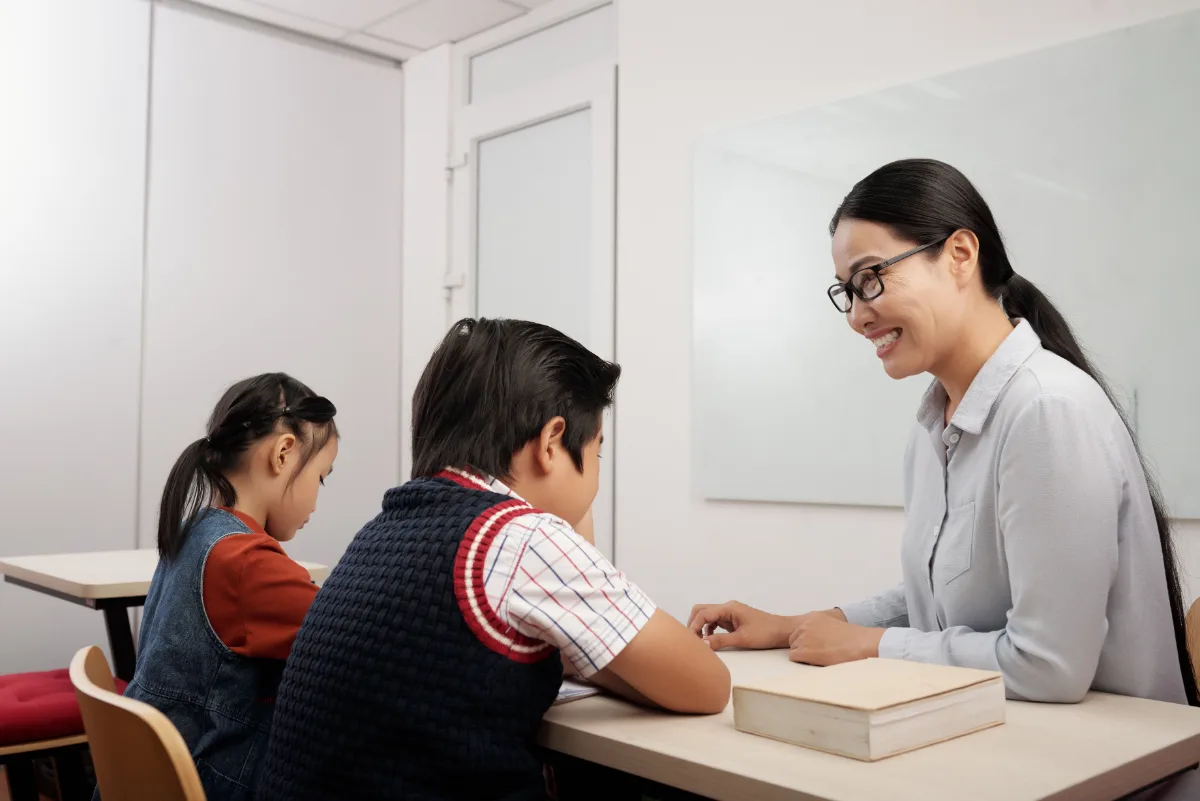
Here is the uncomfortable truth. Talent opens doors. Character keeps them open. Teachers and coaches have limited time. They give more of it to children who make that time count.
What do those children have in common? They listen. They try the feedback instead of arguing with it. They come back next week a little better. Wolff praised Antonelli for staying open to advice and correction, even through his worst weekends.
You can practise coachability at home. When you give your child a suggestion on homework, notice whether they try it. Praise the trying, not just the result. Our guide on giving and receiving feedback has simple scripts that help.
4. Layer 3: People Willing to Take a Chance
Putting an 18-year-old in a Mercedes seat was a risk. Wolff admitted it drew heavy criticism. The team, the board and the sponsors backed it anyway, because enough people had already seen what the young driver could do.
Children need the same thing on a smaller scale: an adult willing to give them real responsibility. A CCA teacher who makes them vice-captain. A form teacher who asks them to lead the class project. A relative who lets them plan the family outing.
You can help that happen. Ask your child's teachers where they could take on more. Then let your child earn it. Responsibility handed over too easily teaches nothing.
5. The Parent's Real Job: Stay in Their Corner, Hand Over the Work

It is tempting to see your job as lining up the right school, tutor and coach, then stepping back. But you are part of your child's support too, and the longest-lasting part. Teachers change every year and coaches move on. You stay.
Your role changes as your child grows. Wolff, a karting dad himself, wrote about knowing when to press and when to ease off. At home, that usually means handing over the work in stages:
- Do it together. Work the first problem side by side.
- Then let them lead. Stay close, but let them hold the pencil. Ask a question instead of giving the answer.
- Then let them own it. Check in once they are done. Let them speak to the teacher or handle the setback themselves.
When they crack it, a thumbs up does more than any answer you could give. Your child learns that help is near, and that the work is theirs.
6. Layer 4: What Only Your Child Can Do

Wolff ended with the part no amount of support can supply. However much help a young driver gets, he wrote, "nobody can do the driving for him."
The determination to keep going after a bad day, the courage to try again after a mistake, the resilience to handle pressure: these have to come from the child. Parents cannot install them. But parents can make room for them to grow.
That means letting your child walk home from the bus stop alone when they are ready. Letting them speak to the teacher about a marking error themselves. Letting them sit with a disappointing result before you fix it. Every small thing your child does alone builds the drive no one else can give them.
7. 5 Ways to Help Your Child Succeed This Term
Start small. Pick two of these for the rest of this term.
- List the adults in your child's corner. Write down the five people outside your home who help your child most. Is anyone missing, such as a mentor in the area your child loves?
- Help your child thank them well. A specific thank-you keeps mentors invested. Our relationship skills guide shows a simple three-part formula.
- Give one real responsibility at home. Something with consequences if it is forgotten, like planning a weekend meal or managing a small budget.
- Praise coachability, not just results. "You tried what your coach said, and it worked" teaches more than "Well done".
- Let one setback stay theirs. Next time something goes wrong, ask "What will you do next?" before you offer a fix.
Speaking up is what ties all four layers together. A child who can ask for help, take feedback and say thank you gathers good mentors faster. That is what we practise in every SuperMinds class for children.
8. About SuperMinds
SuperMinds is Singapore's communication specialist for children and teens aged 9 to 17. Best known for public speaking, we help young people find their voice: the confidence to speak up, lead, and succeed in school and in life.
The SuperMinds method was pioneered by Iwan Yang, Founder & Programme Director and Singapore's most reviewed communication trainer. After years coaching working professionals, he created SuperMinds for children and teens when his adult students asked him to train theirs, bringing proven communication training to younger learners.
Classes are led by trained SuperMinds coaches working under Iwan's method and supervision, in groups capped at 8. We aim to be one more trusted adult in your child's life: a coach who gives honest feedback and helps your child grow the confidence to use it. Explore our children's programme for ages 9 to 12 or our teens programme for ages 13 to 17.
9. Frequently Asked Questions
How can I help my child succeed?
Surround your child with supportive adults, such as family, teachers and coaches, and raise a child those adults want to invest in. That means teaching character, coachability and communication at home, giving your child real responsibility, and letting them handle setbacks themselves with you nearby.
What is the most important factor in a child's success?
Research from Harvard's Center on the Developing Child points to relationships. Children who do well despite hardship have had at least one stable, committed relationship with a supportive adult. Talent helps, but trusted relationships and the skills a child builds through them carry the most weight over time.
Does it really take a village to raise a child?
Yes, but the people around a child are only half of it. Children also need the character and communication skills that make mentors, teachers and teammates want to keep investing in them. Parents shape both: they are the first supportive adult in a child's life, and they raise the child who makes the most of the rest.
How do I know if I am pushing my child too hard?
Watch who owns the goal. If your child talks about their own progress and wants to keep going after a bad day, you are probably balancing well. If they only practise when reminded, or seem anxious about your reaction more than the result, it may be time to hand more of the work over and let them lead.
What qualities make teachers and coaches want to invest in a child?
Mostly coachability: listening to feedback, trying the suggestion, and coming back better. Honesty, effort and good manners matter too. These are habits, and they can be practised at home long before a child meets a demanding coach.
How does SuperMinds help children succeed?
SuperMinds is Singapore's communication specialist for children and teens aged 9 to 17. In small classes capped at 8, trained coaches help children speak up, take feedback and work with others, which are the skills that help them win the support of the adults around them. A trial class costs S$59.50 and includes a video recording of your child speaking and a written coach evaluation.
Every child does better with one more good adult on their side. Book a trial class for S$59.50 and receive a video recording of your child speaking plus a written coach evaluation.