
You want your child to do well in school. Grades matter. But the people your child can work with, and the people who want to work with your child, will matter more.
This week, Formula 1 gave every parent a lesson in that. After Kimi Antonelli became F1's youngest world champion, Mercedes boss Toto Wolff wrote to every person in the team. He did not take a bow. He gave the credit away, by name, to the people behind the win.
Relationship skills for kids are the communication habits that help a child build trust: listening well, thanking people specifically, sharing credit, handling mistakes kindly and disagreeing without damage. They are not a personality trait. They are learnt through practice, and the habits a child forms between 9 and 17 tend to stay for life.
This guide breaks down four lessons from Wolff's email and turns each one into something your child can practise this week.
1. Why Relationship Skills for Kids Matter More Than Grades
Most parents measure progress in marks. Researchers who followed people for decades found a better measure.
The Harvard Study of Adult Development has tracked its participants since 1938. Its finding surprised even the researchers. How satisfied people were in their relationships at 50 predicted their health at 80 better than their cholesterol did. Close relationships mattered more than money or fame for lifelong happiness. They also predicted a long life better than social class, IQ or genes.
Singapore schools now teach this directly. MOE lists Relationship Management as one of five Social-Emotional Competencies in its 21st Century Competencies framework. Communication, Collaboration and Information Skills sits beside it.
Here is what parents often miss. Relationships are built through communication. Every friendship, every teacher who goes the extra mile, every teammate who backs your child, starts with how your child speaks and listens. It is why character and communication sit together in the SuperMinds 3 Cs method.
2. What Toto Wolff's Email Actually Said
Antonelli, 20, won the 2026 title at the Mexico City Grand Prix. Wolff was the boss who put him in a Mercedes at 18, replacing Lewis Hamilton. Most people credited Wolff for the gamble.
His email to the team, later shared by Deputy Team Principal Bradley Lord on LinkedIn, pushed that credit away. According to the full text published by PlanetF1, Wolff thanked Antonelli's parents, his karting mentors, his race engineers, technical director James Allison, teammate George Russell, the board, the sponsors and his own wife. He named each person and what they did.
He ended with one line: "This is not my success story. It is ours."
The email works because of four communication habits. Each one is a relationship skill your child can learn.
3. Lesson 1: Specific Thanks Builds Trust
Wolff did not write "thanks, team". He described what each person actually did. He praised race engineer Peter "Bono" Bonnington for reading when Antonelli needed pressure and when he needed calm.
Specific thanks proves you noticed. People invest in those who notice them. Teach your child a simple formula: who, what they did, and what it meant.
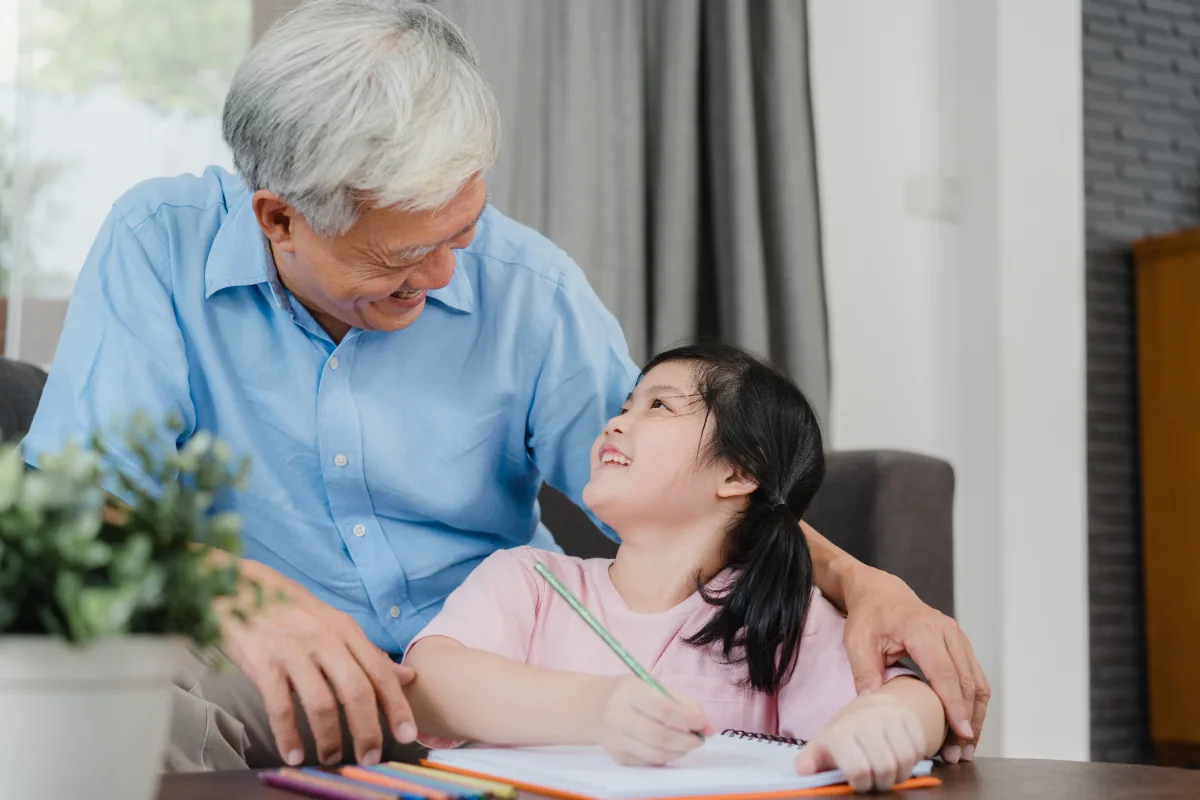
Compare two thank-yous to a grandparent. "Thanks, Ah Gong" is polite. "Ah Gong, thank you for sitting with me on my fractions last night. I finally got them right in class today" builds a bond. Your child named the help and the result. Grandpa now knows his time mattered.
Term 4 is ending, which makes this the perfect week to practise. Ask your child to give one teacher a specific thank-you before the holidays.
4. Lesson 2: Share the Credit
Wolff had every reason to take the bow. Instead, he listed the people who made the win possible. Credit shared is trust earned. Children who hog credit slowly lose teammates. Children who share it get picked again.
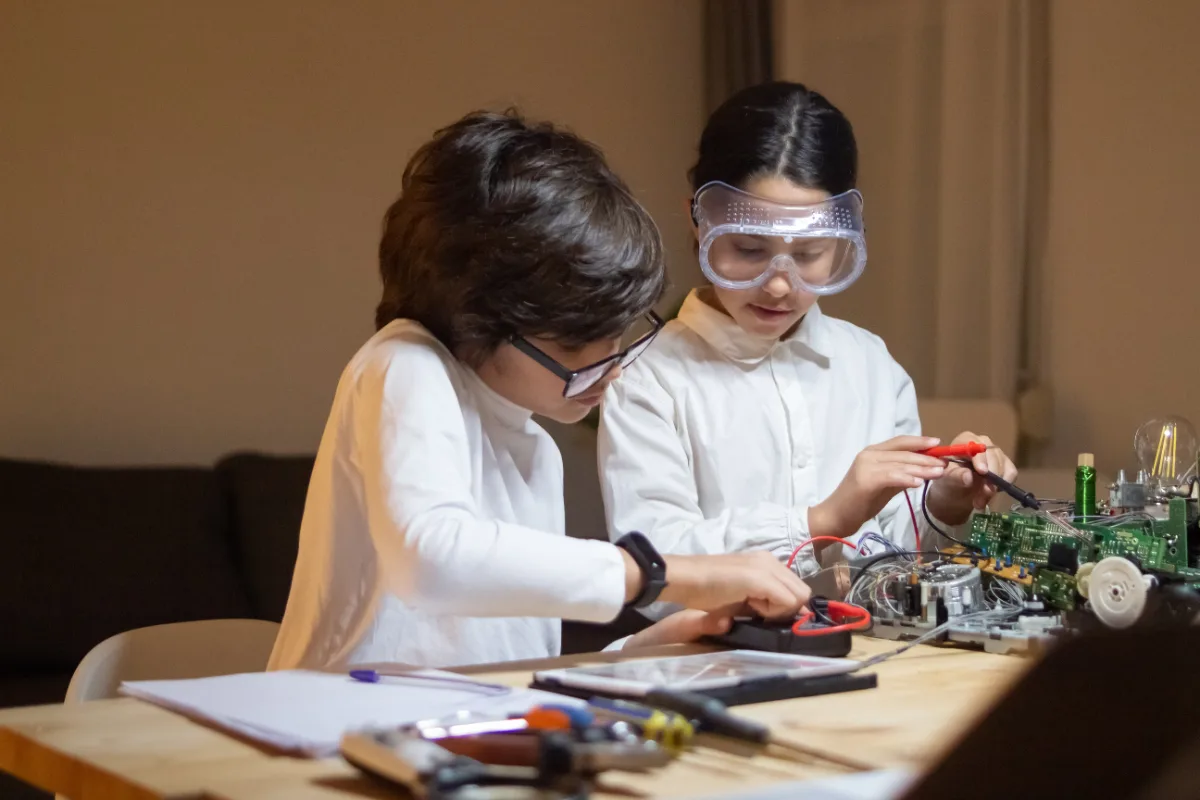
Picture your child's next science project. When the teacher praises the result, your child can say: "Wei Ling wired the circuit and Arjun ran the tests. I wrote up the results." Others first, then their own part, told honestly.
This is not false modesty. Your child still names what they did. They simply make sure nobody else disappears from the story.
5. Lesson 3: Back People Through Their Mistakes
Antonelli's rookie year included several races without points. Wolff wrote that the team had planned for a bumpy first year. His point was simple: a young driver cannot grow if every error is met with blame.
The same rule holds at home. How you respond to your child's mistakes teaches them how to treat other people's mistakes. A child who hears "What did you learn?" before "What happened?" learns to give friends the same grace.
Give your child words for it. When a CCA teammate fumbles, they can say: "It's okay. What can we try next round?" That one line keeps a friendship intact under pressure. Our guide on giving and receiving feedback covers this in more depth.
6. Lesson 4: Disagree Openly, Then Stand Together
Wolff singled out James Allison, an engineer who tends to believe the car matters more than the driver. Allison questioned the idea, then backed it fully once the call was made. Wolff said that kind of support meant more to him than easy agreement.
Many children believe disagreeing will end a friendship. So they stay silent, or they fight. Teach a two-step instead. Step one: "I see it differently, and here's why." Step two, once the group decides: "Okay, let's go with it. I'm in."
The first step needs listening. Your child should be able to repeat the other person's view before arguing with it. Our guide to active listening for kids shows how to build that habit.
7. 5 Habits to Build Relationship Skills at Home

Relationship skills grow through small, repeated moments. Pick two of these and start tonight.
- Play "Who helped you today?" at mealtimes. Each person names one person and exactly what they did. Go first, so your child hears how specific thanks sounds.
- Send one specific thank-you before the year ends. A form teacher, a coach, the canteen auntie. Use the who, what, why formula.
- Run a credit round after team wins. After a CCA match or project, ask: "Who made the difference, and how?"
- Model the repair. When you get it wrong with your child, say so specifically. "I snapped at you because I was tired. That wasn't fair to you."
- Practise the two-step disagreement on small choices. Weekend plans or dinner options work well. Everyone gives a view and a reason. The family decides. Everyone backs it.
Relationships are one part of a bigger picture. Our companion guide on how to help your child succeed looks at the whole village behind a child, and the part only your child can play.
These habits grow faster when children practise them in front of peers, with someone giving honest feedback. That is what happens in every SuperMinds class for children.
8. About SuperMinds
SuperMinds is Singapore's communication specialist for children and teens aged 9 to 17. Best known for public speaking, we help young people find their voice: the confidence to speak up, lead, and succeed in school and in life.
The SuperMinds method was pioneered by Iwan Yang, Founder & Programme Director and Singapore's most reviewed communication trainer. After years coaching working professionals, he created SuperMinds for children and teens when his adult students asked him to train theirs, bringing proven communication training to younger learners.
Classes are led by trained SuperMinds coaches working under Iwan's method and supervision, in groups capped at 8. Children practise speaking up, listening, giving feedback and working as a team. We develop authentic communicators, not performers reciting a memorised script. Explore our children's programme for ages 9 to 12 or our teens programme for ages 13 to 17.
9. Frequently Asked Questions
What are relationship skills for kids?
Relationship skills are the communication habits that help children build and keep trust with others. They include listening well, thanking people specifically, sharing credit, handling mistakes kindly and disagreeing respectfully. MOE calls this Relationship Management and teaches it as a core Social-Emotional Competency.
Why is communication important in relationships?
Every relationship is built through communication. How your child listens, thanks, apologises and disagrees decides whether people trust them. Long-term research from Harvard found that the quality of people's relationships predicted their health and happiness later in life better than factors such as IQ or social class.
Can relationship skills be taught, or is it personality?
They can be taught. A quiet child and an outgoing child can both learn to thank people specifically, share credit and disagree kindly. These are habits, and habits grow through practice and feedback, the same way reading or swimming does.
At what age should children learn relationship skills?
Children learn the basics from toddlerhood, but ages 9 to 12 are a strong window for deliberate practice. Children at this age can reflect on how they speak to others and adjust. Teens aged 13 to 17 can go further, handling group conflict, leadership and disagreement with adults.
How do I teach my child to say thank you properly?
Teach a simple three-part formula: who, what they did, and what it meant. For example, "Thank you, Ms Tan, for staying back to explain the science question. I finally understood it." Practise it at mealtimes and model it yourself.
How does SuperMinds help with relationship skills?
SuperMinds is Singapore's communication specialist for children and teens aged 9 to 17. In small classes capped at 8, children practise speaking up, listening, giving feedback and working in teams with a trained coach. A trial class costs S$59.50 and includes a video recording of your child speaking and a written coach evaluation.
Great relationships start with how your child speaks to people. Book a trial class for S$59.50 and receive a video recording of your child speaking plus a written coach evaluation.